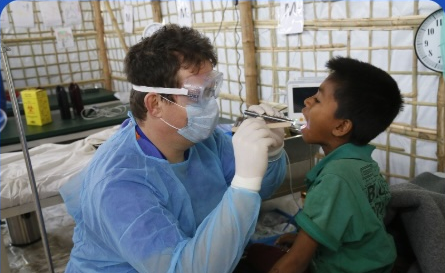
people forced from their homes worldwide, more than ever recorded.
UNHCR, 2023Droplets of Mercy USA · Medical missions
Your skills.
Their second chance.
Join our medical missions and bring care to families who have waited far too long for it.
The need
Somewhere, someone is waiting for a doctor like you.
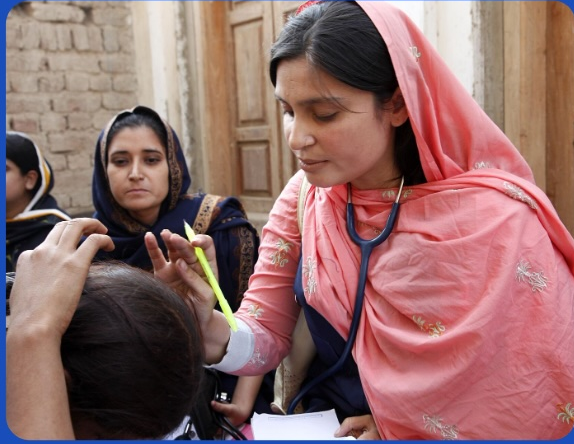
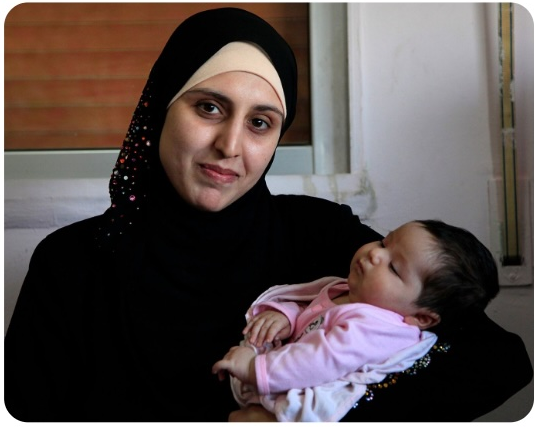
A grandfather who lost his sight years ago, waiting for a surgery that could give it back. A father living with diabetes, with no doctor close enough to see. A young mother in a refugee camp, about to give birth with no doctor or midwife nearby.
For millions of families, care is out of reach twice over: there are too few doctors to reach them, and where care does exist, they cannot afford it.
refugees live in low- and middle-income countries, where health systems are already stretched.
UNHCR, 2025more health workers will be needed worldwide by 2030.
World Health Organization projection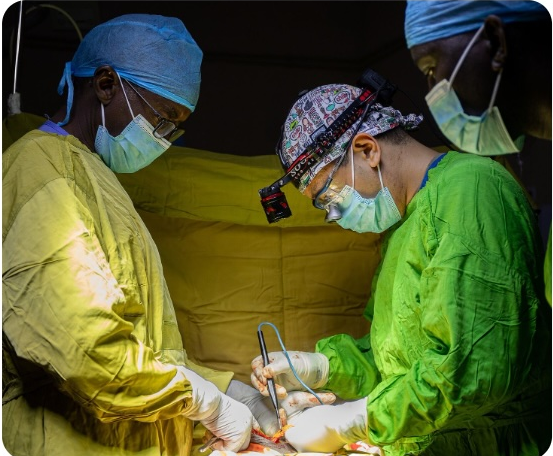
Who we are looking for
Doctors who want their skills to go further.
Somewhere today there are patients waiting for exactly what you know how to do. We are looking for licensed, experienced doctors who are ready to serve with humility, teach generously and work alongside local colleagues as equals.
- Family and internal medicine physicians who can run a clinic and manage chronic disease.
- Specialists in OB/GYN, psychiatry, cardiology, ophthalmology and more.
- Surgeons and anesthesiologists ready to work through a waiting list.
- Teachers at heart who want to leave skills behind that last.
You bring your expertise. We bring the partners, the planning and the patients who need you most.
Join our pool of doctorsHow we serve
Built on need, carried by local partners, and made to last.
Need comes first
We listen before we act. Every mission begins by asking the country’s Ministry of Health where families have waited longest for care, and going there first.
Trusted partners on the ground
We work through established local partners who know the hospitals, the communities and the people, because care that lasts has to be rooted locally.
The right doctor for every patient
We match each doctor by specialty to the patients waiting for them, so every hour you give goes where it matters most.
Capacity Building
Every mission includes training for local doctors and staff, so the skills stay long after we leave.
Continuity of Care
Every patient is handed over to a local doctor for ongoing care. No one is left without follow-up when the mission ends.
Mission pathways
Four ways your specialty can serve.
Primary and family care
Community clinics bringing everyday care to people who have gone without it: checkups, children’s and women’s health, and long-term care for diabetes, high blood pressure and other chronic disease, including for refugee families.
4.5 billionpeople, about half the world, are not fully covered by essential health services. WHO and World Bank, 2021 data
Who we need: family medicine, internal medicine, pediatrics, general practice.
Specialist care
Clinics and consultations for conditions local systems struggle to keep up with: maternal and women’s health, mental health, heart, eye and other specialist care.
260,000women died from pregnancy and childbirth in 2023, about 92% of them in low- and lower-middle-income countries. Most deaths were preventable. WHO, 2025
Who we need: OB/GYN, psychiatry, cardiology, ophthalmology and other specialists.
Surgical missions
Surgical teams that work through a Ministry’s waiting lists, giving back sight, mobility and health: eye surgery, orthopedic, general, pediatric, cardiac and reconstructive surgery.
83 countrieshave fewer than 20 surgeons, anesthesiologists and obstetricians per 100,000 people, the recommended minimum. British Journal of Surgery, 2026
Who we need: surgeons across specialties, and anesthesiologists.
Emergency response
When conflict or disaster strikes, medical teams that support local hospitals and treat the injured.
37%of Sudan’s health facilities had stopped functioning by 2026. WHO, October 2026
Who we need: emergency medicine, trauma surgery, critical care.
Where the need is
Where one more doctor matters most.
Doctors per 10,000 people
United States36.8 (2022)
Jordan28.5 (2022)
Lebanon26.8 (2020)
Syria15.2 (2021)
Pakistan11.6 (2021)
Sri Lanka11.4 (2023)
Bangladesh7.2 (2023)
Egypt6.7 (2020)
Afghanistan3.2 (2023)
Kenya2.9 (2023)
Sudan2.5 (2017)
Uganda1.9 (2022)
Yemen1 (2023)
Chad0.9 (2023)
South Sudan0.4 (2022)
Latest year available. Source: World Bank, from WHO data.
Uganda
About 2 million refugees and asylum seekers, the most of any country in Africa.
After funding cuts, refugee health facilities fell from 101 to 89 between 2024 and early 2026.
UNHCR, 2026Sudan
About 11.3 million people forced from their homes since the conflict began.
37% of the country’s health facilities had stopped functioning by 2026.
UNHCR; WHO, 2026Bangladesh
Nearly 1.2 million Rohingya refugees, now in the tenth year of the crisis.
Less than half of the 2025 response plan was funded.
Oxfam, August 2026Syria
About 5.7 million people still displaced inside the country.
Only 57% of hospitals and 30% of primary health centers are fully functional.
IOM, 2026; WHO HeRAMS, 2025Pakistan
More than 700,000 registered Afghan refugees.
About 155 mothers die for every 100,000 live births.
UNHCR, 2026; UN estimates, 2023Egypt
About 1.1 million registered refugees and asylum seekers.
Funding cuts suspended treatment support for around 20,000 refugee patients.
UNHCR, 2025–2026Jordan
About 340,000 refugees registered with UNHCR.
UNHCR’s cash support for refugees’ health costs has stopped for lack of funding.
UNHCR, 2026Lebanon
About 870,000 refugees with open UNHCR files.
41 primary health care centers closed during the 2026 escalation.
UNHCR; WHO, 2026Chad
More than 930,000 Sudanese refugees have arrived since 2023, most of them women and children.
1 in 5 pregnant and breastfeeding women screened at the border was malnourished.
MSF, August 2026South Sudan
About 1.37 million people have crossed from Sudan since 2023.
Nearly a third of assessed health facilities are not functioning.
UN OCHA, April 2026Yemen
About 1 doctor for every 10,000 people.
Only about 60% of health facilities are fully functional.
World Bank, 2023; WHO, September 2026Afghanistan
More than 5.4 million people have returned or been deported from Iran and Pakistan since late 2023.
150 aid-supported health facilities were suspended or closed in 2026 for lack of funding.
UNHCR; WHO, July 2026Kenya
Nearly 836,000 refugees, up from 555,000 in 2022.
Aid to refugees in Kakuma has fallen by more than half.
World Bank, 2026Sri Lanka
1,489 doctors left the country between 2022 and 2024.
Psychiatry, anesthesiology, emergency medicine and pediatrics are hardest hit.
Int. Journal of Health Planning and Management, 2025Medical deployments
We carry out medical deployments in Syria, Pakistan, Uganda, Sudan, Jordan, and Kenya.
Ready to make a difference? Sign up below to serve on our next medical mission.
Join our pool of doctorsWhy serve with Droplets of Mercy
We recruit doctors into a need, not onto a trip.
We don’t sell trips, and we never send doctors where they aren’t needed. Every mission starts with a real need issued by a Ministry of Health, and every doctor is invited because their specialty answers it. We treat patients as people, not cases, and local doctors as colleagues, not assistants. And we hold ourselves accountable to the patients we serve, the communities that welcome us and the donors who make it possible. When a mission needs your specialty, we reach out to you personally.
You focus on your patients.
We take care of the planning, the partners and the paperwork, so your time on the ground goes to the people who need you.
You join a global family.
Droplets of Mercy works in more than 20 countries, investing in communities through sustainable solutions. Our medical missions are one more way every drop of kindness becomes an ocean of change.
Questions
What doctors ask us.
Where are the missions?
We carry out medical deployments in Syria, Pakistan, Uganda, Sudan, Jordan, and Kenya. Every mission is shaped by local partners and the needs of the community.
Does signing up reserve a place?
No. Signing up is an expression of interest, not a placement confirmation. Our team will contact you to learn more about your experience and discuss where your skills may fit.
Will I work in my own specialty?
We match each doctor’s specialty to the needs identified by local partners. We will discuss the role with you before any placement is confirmed.
What happens to patients after we leave?
Every patient is handed over to a local doctor for ongoing care. Missions also include training for local medical teams to support continuity after the visit.
Are there any costs?
Our team will discuss the practical arrangements and fundraising for medical projects directly with you as part of the planning process.
What is included?
Our team takes care of the planning, local partnerships and paperwork, so your time on the ground can focus on patients.
Can I bring colleagues?
Yes. Please mention colleagues who may be interested when you submit your expression of interest. Each professional should complete their own form.
Join our pool of doctors
Ready to make your skills go further?
Fill out the form below and join our growing pool of doctors who want to use their skills for those in need around the world.