    Skip to content
    Home / About / Frequently Asked Questions
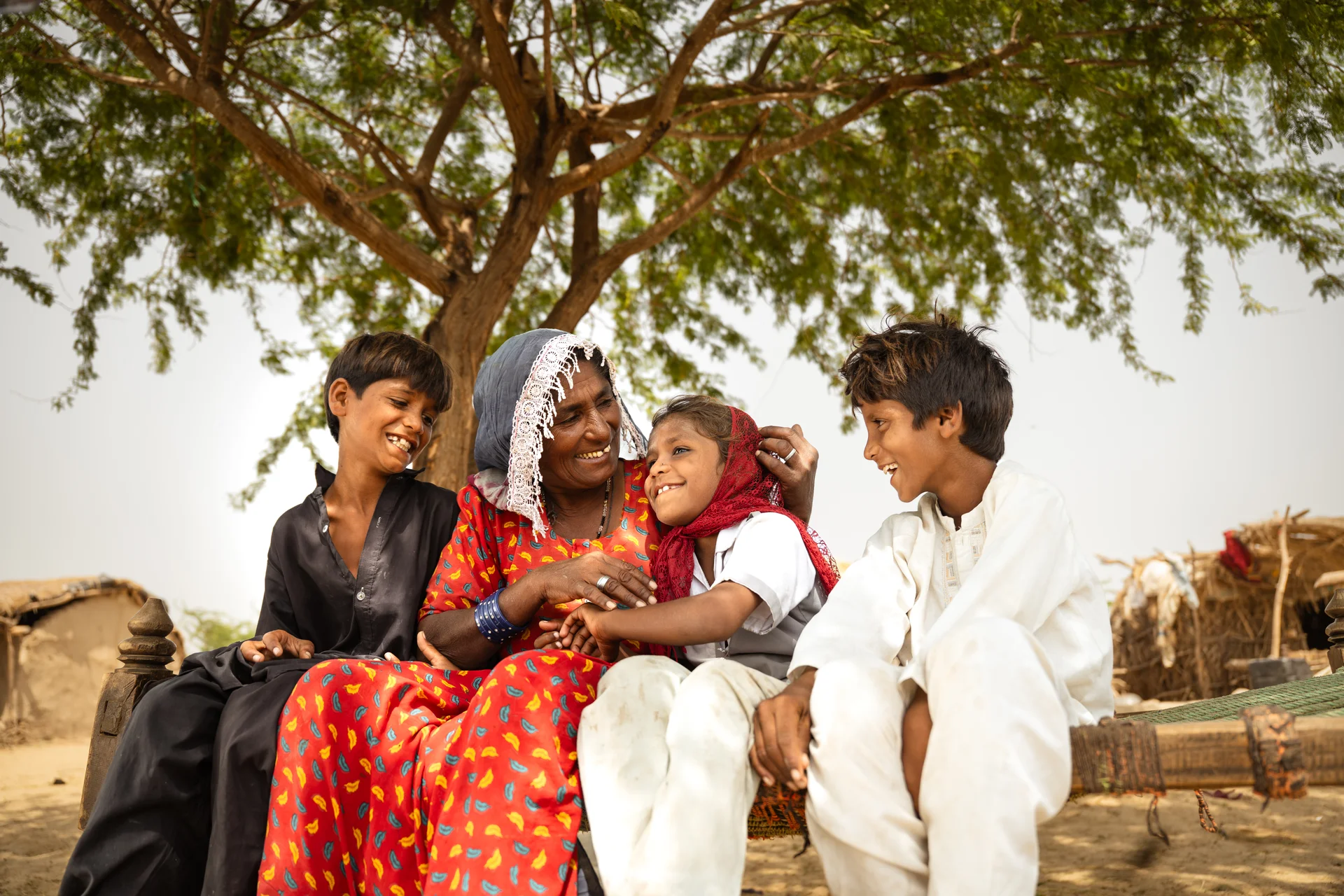
    A mother and her children smiling together beneath a tree

    Frequently Asked Questions

    Find answers to common questions about our work.

    General

    We understand that you may have questions about our work, programs, and how you can get involved. Our FAQ section is designed to provide clear and concise answers to the most common questions we receive. If you can’t find the information you’re looking for, please feel free to contact us directly.

    How are donations at Droplets of Mercy USA spent?

    Droplets of Mercy USA prioritizes minimizing administrative costs while maximizing the impact of your contributions. We operate in 10+ countries, working with local partners to identify and address critical needs of the most vulnerable communities. After identifying projects, our Programs Department thoroughly reviews budgets to optimize each donor’s reach. Post-implementation, we consistently monitor and assess program effectiveness.

    What countries does Droplets of Mercy USA work in?

    Our published country list includes Afghanistan, Bangladesh (including Rohingya refugees), Ethiopia, India, Pakistan, Palestine (West Bank and Gaza), Somalia, Sudan, Turkey (Uyghur and Syrian refugees), Uganda, USA, Canada, Yemen, Kenya, Lebanon (Lebanese and Syrian refugees), and Jordan (Palestinian refugees, Syrian refugees, and Jordanians). Programs and availability vary by country.

    Do you accept in-kind donations?

    Droplets of Mercy USA primarily considers in-kind donations from institutional donors, manufacturers, and NGOs due to the cost challenges associated with individual donations. To maximize our impact and assist those in need most effectively, we encourage financial contributions. For in-kind donations, please consider supporting local organizations that can distribute items more efficiently within your community.

    Is my donation tax deductible?

    Yes, donations to Droplets of Mercy USA are tax-deductible to the extent permitted by law under IRC 170(c). Droplets of Mercy USA’s EIN is 99-2199172. The USA organization launched in 2024. Our 2025 public Form 990 is available in the Reporting & financial records section. Please consult your tax adviser about your circumstances.

    How does Droplets of Mercy USA ensure that my donation goes directly to the intended appeal and cause?

    Droplets of Mercy USA ensures that your donation goes directly to the intended appeal and cause. We meticulously track and allocate donations, collaborating with local partners to address the most pressing needs on the ground. We take our checks and balances seriously to guarantee your donation’s impact.

    What is your administrative cost?

    Droplets of Mercy USA works diligently to keep administration costs down. Administrative costs are necessary to run an effective and efficient organization.

    Our 2025 expenses finalized at 3.99% administrative and 8% marketing. Our estimated 2026 allocation is 4% administration, 6% marketing, and 90% programs. The 2026 figures are estimates and will be finalized at year-end.

    The separate policy allowing up to 12.5% for Zakat administration and project costs is a cap, not our organization-wide administrative expense rate. Read our Financials and Reports and Zakat Policy & Accountability.

    Ramadan

    What is Fidya?

    Fidya is a religious donation in Islam that helps those in need when someone is unable to fast during Ramadan. The word “fidya” comes from the Arabic root Fada, which means “to ransom” or “to redeem”. The published rate is a $10 daily donation to provide meals for those in need. For example, missing the entire month of Ramadan due to illness would require a $300 fidya donation ($10 × 30 days).

    Do you feed the fasting in Ramadan?

    Droplets of Mercy USA has established a feed the fasting program during the month of Ramadan. Prices per package vary based on country and food prices that year. However, each Ramadan feed the fasting package will feed a family of 5–7 for the entire month of Ramadan.

    What is the last day I may donate my Zakat-ull-fitr (Fitrana)?

    Zakat ul Fitr must be paid within the month of Ramadan. The latest it can be paid is before the Eid prayer.

    Orphan Sponsorship

    How does Droplets of Mercy USA define an orphan?

    We classify an orphan as a child under 18 without a father or both parents, or when the father’s location has been unknown for at least two years. This is often the case for many refugee children whom we sponsor. Orphan status is irrespective of gender, religion, or race.

    How is an orphan selected for sponsorship?

    Orphans are selected according to five key criteria: vulnerability, financial need, family size, housing conditions, and health. Priority for sponsorship is given to families facing the most severe circumstances, such as larger families in greater financial struggle. Confirmation of sponsorship requires official documentation, and the selection process must be free from discrimination based on race, religion, color, age, gender, or disability. At Droplets of Mercy USA we rely on the local partner to determine the need as they are familiar with the local community members.

    In which countries does Droplets of Mercy USA offer orphan sponsorships?

    We offer orphan sponsorships in Turkey (both Uyghur and Syrian refugees), Pakistan, Uganda, and Jordan (Palestinian and Syrian refugees). In Palestine, we provide orphan support rather than individual sponsorship.

    What aid do you provide with my orphan sponsorship?

    Our orphan sponsorship program may include education, clothing, medical and food aid; however, this varies per country.

    May I contact the orphan I am sponsoring?

    Given the number of orphans we sponsor, we unfortunately do not allow this at this time. However, you will receive quarterly updates regarding your orphan and their wellbeing.

    How often am I updated regarding my orphan?

    You will receive quarterly updates regarding your orphan and their wellbeing.

    Zakat

    What is Zakat?

    Zakat is a mandatory annual payment made by eligible adult Muslims whose wealth surpasses the Nisab value over one Islamic (lunar) year. These payments are intended to aid those facing the greatest need, both within the nation and globally.

    What is Nisab?

    Nisab serves as the threshold for the eligibility to pay Zakat for Muslims. It is determined by two values:

    • Gold — equivalent to the monetary value of 87.48 grams of gold.
    • Silver — equivalent to the monetary value of 612.36 grams of silver.

    The ever-changing values of gold and silver affect the Nisab threshold, and tools like our Zakat calculator help determine eligibility and amounts owed. To qualify for Zakat, one’s wealth must exceed the Nisab threshold for a full Islamic year, or ‘Hawl,’ lasting 354 lunar days. If your wealth drops below this threshold during the year but remains above it at the beginning and end of the Hawl, you should seek advice from your local imam. See how to calculate Zakat on gold.

    What is Hawl?

    In terms of Zakat, a Hawl means one lunar year, which is approximately 354 days long.

    Can I pay my Zakat in installments?

    Yes, you have the option to pay Zakat in installments, although it is generally preferable to make a single lump-sum payment. But if you are confident that your wealth will remain stable, you can pay in advance of the due date.

    Who qualifies for Zakat donations?

    Zakat, a form of charitable giving in Islam, comes with specific eligibility criteria. While husbands cannot give their Zakat to their wives since they are already responsible for their well-being, wives can contribute to their husbands’ Zakat as long as they meet certain conditions. This means that wives should not indirectly benefit from the donation, like their husbands using the funds to buy gifts for them.

    The categories eligible to receive Zakat are eightfold:

    • The impoverished.
    • Those in need.
    • Zakat administrators.
    • Reconciliation of hearts.
    • Individuals in bondage or captivity.
    • People burdened with debt.
    • Those striving for the cause of Allah.
    • Travelers in need.

    Who is obligated to pay Zakat?

    The responsibility to pay Zakat is not required for all Muslims; specific criteria are outlined in the Qur’an. One must have reached the age of puberty, be Muslim, possess a sound mind, be free, and maintain a positive cash or goods flow, along with personal wealth exceeding the Nisab value.

    How do I calculate my zakat?

    To calculate your Zakat, assess your wealth, including personal assets and cash. Zakat is applicable to qualifying assets rather than assets used for your daily living needs. A primary residence and a vehicle used for daily needs are treated differently from additional property, such as a second home, or a second car. Treatment of property, vehicles, investments, and debts can depend on their purpose and the scholarly approach you follow. Use our Zakat calculator and seek guidance from a qualified scholar for your circumstances.

    Eligible assets for Zakat calculation include:

    • Cash on hand, in bank accounts, or savings accounts.
    • Funds set aside for specific purposes, such as Hajj, a property deposit, or a wedding.
    • The value of gold and silver in your possession.
    • Stocks and shares in your ownership.
    • Total income generated from renting out a property you own, like a second home.
    • The value of any loans you’ve provided to others and expect to be repaid.

    What not to consider when calculating Zakat:

    • Any payments due in the month you pay your Zakat.
    • Debts you owe, such as mortgage or rent payments, credit card debts, and personal loans, subject to the scholarly approach you follow.
    • Items like household appliances and clothing.
    • Business expenses, including bills, salaries, rents, and rates.
    • Business loans and overdrafts, subject to the scholarly approach you follow.

    When should I pay my Zakat?

    Your Zakat is due once your wealth surpasses the Nisab threshold for a full Islamic year, calculated on the day of payment. The month of Ramadan is a favored time, with Allah multiplying blessings for giving. However, you can pay Zakat at any time during the year if your wealth exceeds the Nisab threshold for a lunar year. Remember, this is distinct from Zakat al-Fitr, or Fitrana, which must be paid during Ramadan before the Eid prayers.

    What is the administrative cost on Zakat?

    Droplets of Mercy USA aligns with the consensus of scholars, designating Zakat collectors as one of eight legitimate beneficiaries. Under our Zakat policy, administrative and project costs are capped at 12.5% of Zakat funds. At least 87.5% is therefore allocated beyond that cap to eligible program support. This policy cap is separate from the organization’s finalized annual administrative expense percentage.

    All Zakat funds are transferred to a separate bank account, never mixed with other program or administrative expenses. Read our Zakat Policy & Accountability.

    What is the difference between Zakat & Zakat-Al-Fitr?

    Zakat and Zakat-Al-Fitr differ in their timing and intent. Zakat is an annual obligation on qualifying wealth. Zakat-Al-Fitr is paid during Ramadan before the Eid prayer and is intended to provide food assistance to those in need. Cash contributions may be used to arrange that food assistance. Please contact our USA office to confirm the current Zakat-Al-Fitr rate.

    On whose behalf do I need to pay Zakat-Al-Fitr?

    Zakat al-Fitr should be paid on behalf of everyone in the family.

    When is my Zakat-Al-Fitr due?

    It should be paid before Eid prayer, or any day during Ramadan.

    Qurbani

    What animals do you use for Droplets of Mercy USA’s Qurbani program?

    The animals are different per country — they may range from a cow, sheep, or a goat.

    How is the Qurbani meat distributed and who selects the recipients?

    Droplets of Mercy USA works with local partners on the ground to determine who is in greatest need to receive the Qurbani meat. They are contacted in advance and based on their location, they may either pick up the Qurbani meat at a convenient central location or it is hand delivered to their homes — especially for those who are elderly and disabled.

    How long does it take to distribute the Qurbani meat?

    Once the Qurbani meat has been slaughtered, it is distributed to the families in need the same day.

    Is it obligatory to give the Qurbani sacrifice for each member of my family?

    Droplets of Mercy USA recognizes the different schools of thought (fiqh) in the Islamic tradition, and welcomes all to fulfill their religious right as they see fit.

    What is the cutoff date to donate for the Qurbani sacrifice?

    We allow for Qurbani donations up until the third day of Eid al-Adha. We prepare the animals and plan six months ahead of time. We do not take more donations than what we have prepared for, so your Qurbani sacrifice will be carried out on time.

    Aqiqah

    What is Aqiqah?

    Aqiqah is a sunnah carried out by parents or guardians after a child’s birth. It is most preferred on the seventh day after the child’s birth, with flexibility on the 14th or 21st. At Droplets of Mercy USA, we align Aqiqah sacrifices with your preferences. The baby’s hair is shaved, and the sadaqah calculated is based on the daily silver rate.

    What countries do you perform Aqiqah?

    Droplets of Mercy USA performs Aqiqah in Uganda.

    How long does it take to carry out my Aqiqah after my donation has been made?

    Following your donation, your Aqiqah request typically takes about two weeks to be fulfilled. Once the request is made, we ensure the Aqiqah is performed within two weeks, and our donor care team will update you upon completion.

    Water Wells

    Where do you provide clean water?

    Droplets of Mercy delivers clean water solutions across eight countries: Kenya, Uganda, Sudan, Pakistan, Burundi, Palestine, Malaysia, and Yemen. Our work spans over 15 countries globally, focusing on long-term access to clean, safe water.

    What types of water wells can I donate towards?

    Our current Water Wells giving options are:

    • Solar Deep Well in Pakistan — $3,500.
    • Solar Powered Well in Burundi — $6,000.
    • Mega Water Community Well in Yemen — $25,000.

    You can also give any amount to the General Water Fund, which pools contributions to support clean-water projects. Explore Water For Life for the current options.

    Which type of well is the most impactful?

    For long-term, wide-reaching impact, we encourage donors to support our General Water Fund. This fund pools resources to build Mega Community Wells, which can serve entire villages.

    While these wells do not come with a personal name plaque, they give sustainable, long-term relief and help us respond where the need is greatest.

    Why do water well prices vary so much?

    There are many factors that will affect the cost of a well:

    • Size: From hand pumps serving a few hundred to mega wells serving thousands.
    • Location: Remote or conflict-prone areas may be harder to access.
    • Terrain: Rocky or hard-to-dig land requires more effort and machinery.
    • Depth: Some areas require deeper wells to reach clean water sources.

    We aim to find the most effective solution for each community.

    How long does it take to build a water well?

    On average, water wells take 5–6 months to complete. This includes planning, drilling, installation, and testing. In rare cases, delays can occur due to political instability or extreme water conditions. If so, our donor support team will keep you updated throughout the process.

    Will I receive updates on my well?

    Yes, at Droplets of Mercy, we believe in full transparency. Once your well is complete, you’ll receive:

    • Photos of the completed well.
    • GPS coordinates of its exact location.
    • Details on the number of people it serves.

    How many people does one well serve?

    This depends on the type, size, and location of the well. Published examples include:

    • Community Well in Uganda — serves 1,100 people daily.
    • Hand Pump in Pakistan — serves approximately 70–100 people daily.
    • Solar-Powered Well in Kenya — serves 250 people daily.
    • Community Well in Yemen — serves 2,790 people daily.

    These examples are not a guaranteed capacity for every well. Our team provides the details of the completed project in your update.

    Still Need Help?

    Contact our USA office if you haven’t found the answer you need.

    CONTACT US